CrowdingCrossbite
Case Overview
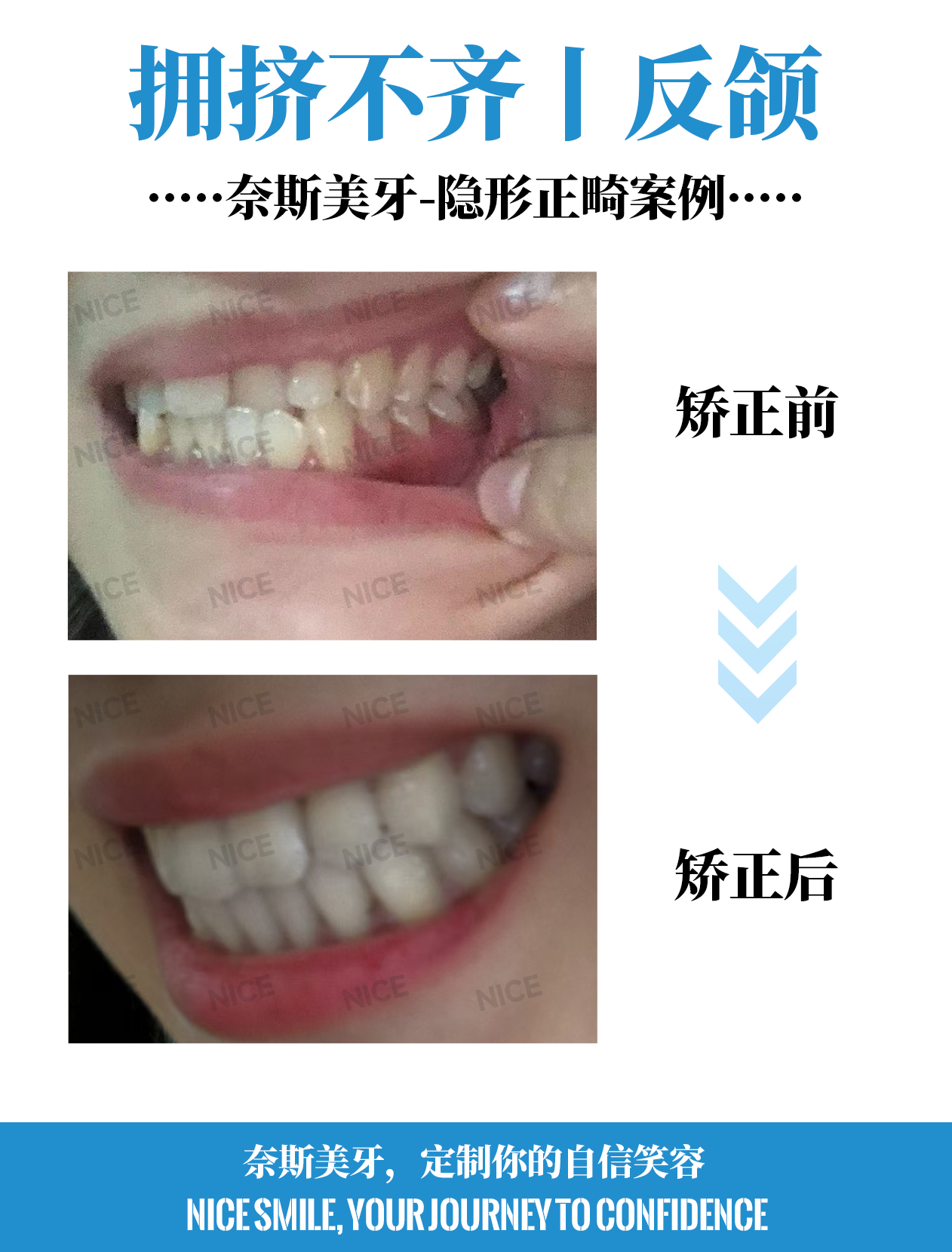
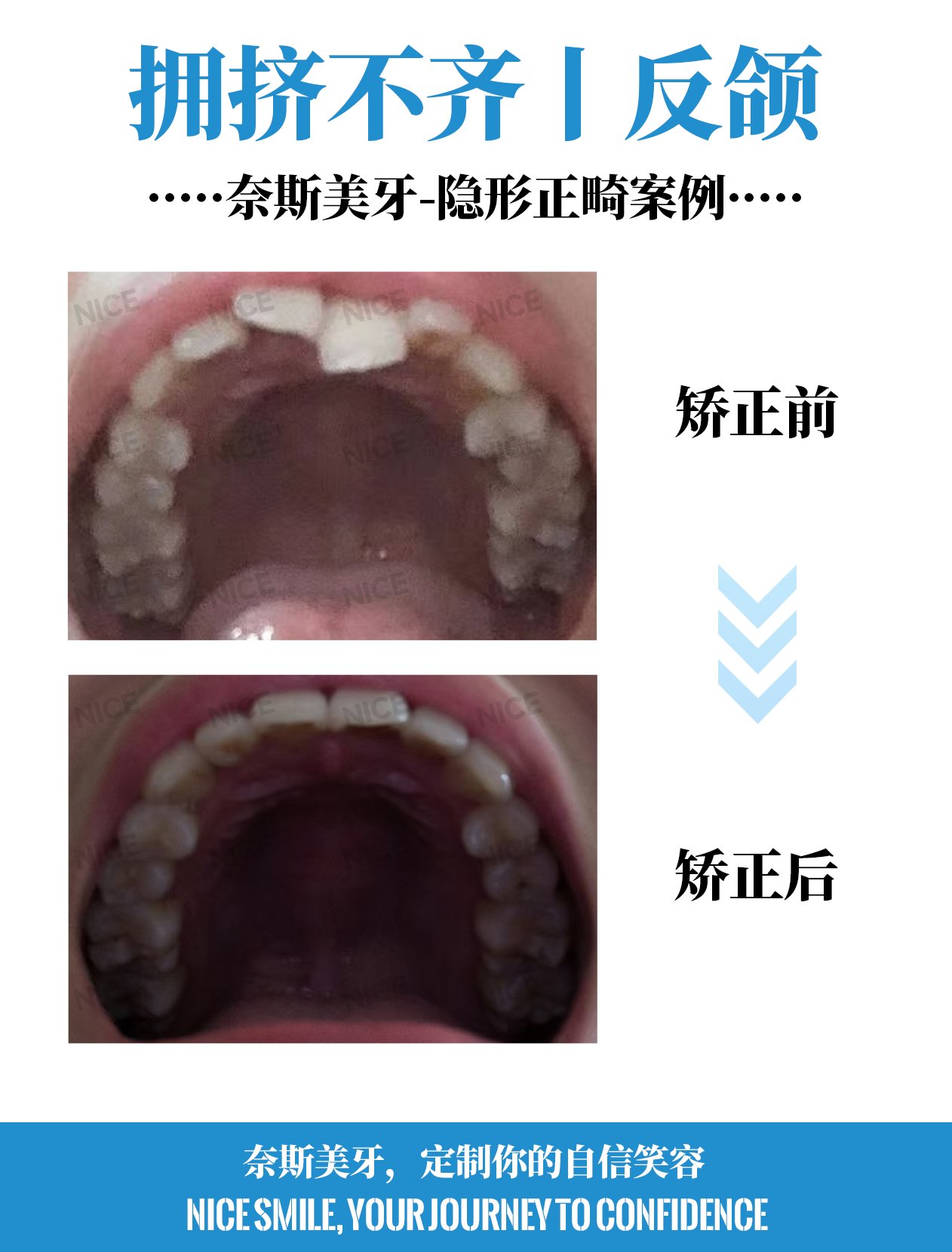
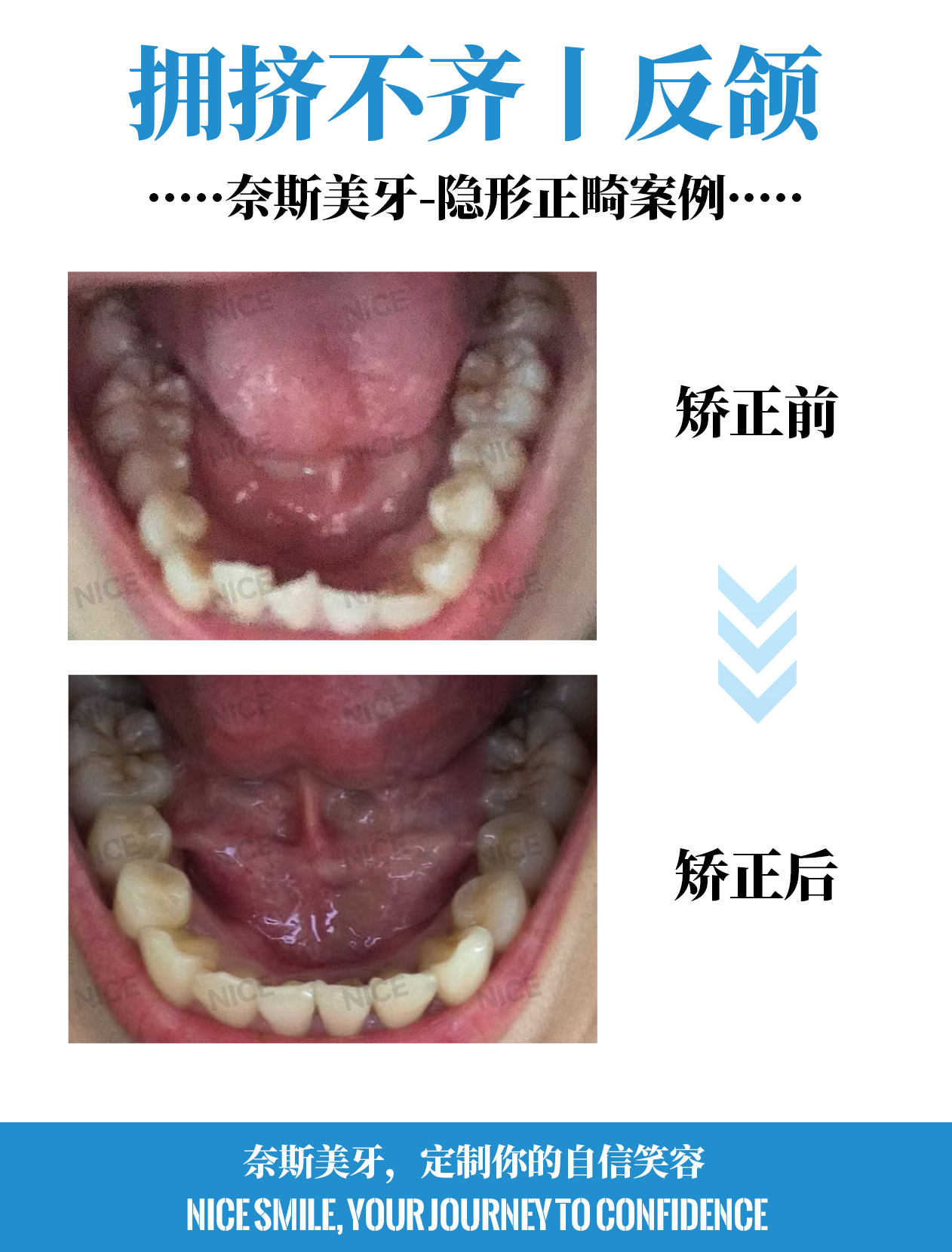
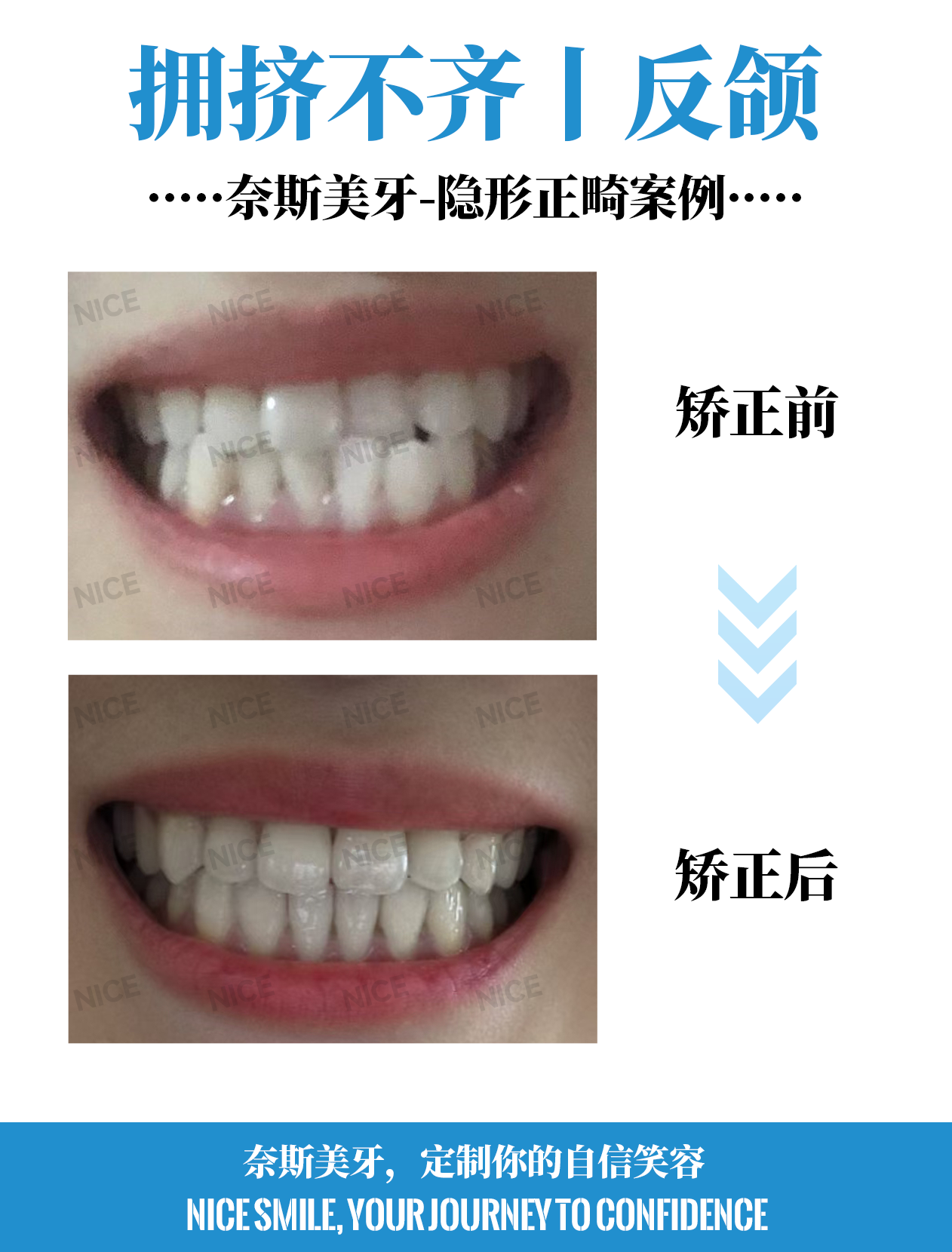
Demonstrates the staged changes of cases with dental crowding, malalignment and crossbite through comparative records of frontal, lateral, upper and lower dental arch views.
Contact Us
Case Detail
Demonstrates the staged changes of cases with dental crowding, malalignment and crossbite through comparative records of frontal, lateral, upper and lower dental arch views.
Key collaboration priorities include dental crowding management, crossbite correction, occlusal adjustment and staged follow-up visits.
CrowdingCrossbite
Demonstrates the staged changes of cases with dental crowding, malalignment and crossbite through comparative records of frontal, lateral, upper and lower dental arch views.
Case Media
The hero image presents the frontal pre- and post-treatment comparison, followed by records of frontal, lateral, upper dentition and lower dentition views below.
Video
The case video is for the sole purpose of displaying pre- and post-treatment records, and does not replace in-person doctor consultation and imaging examination.


Initial Screening: Determine case eligibility based on records of frontal occlusion, lateral occlusion, and upper and lower dental arches
Treatment Planning: Design the plan focused on crowding resolution, crossbite relationship improvement and occlusal stability
Delivery: Provide staged clear aligners, wear instructions and follow-up visit schedules
Follow-up: Track treatment progress based on wear feedback, dental movement and occlusal changes
Authorization: Risk Boundary
Authorization Notice: All image and video materials displayed in this case have been authorized by the patient or their legal guardian, and are only used for case display on YAGU official website, clinic cooperation communication and compliance explanation, which do not constitute a treatment efficacy guarantee.
This anonymized case is provided only to illustrate clear orthodontic case documentation and clinic collaboration workflows. Diagnosis, treatment planning, and outcome assessment must be based on an in-person examination, imaging, and the patient’s actual condition.