01
Excellent Resilience for Efficient Control
The material maintains stable resilience during repeated insertion, removal and wear, delivering consistent orthodontic force in coordination with digital treatment plans.
 Contact Us
Material System
New Generation of Dental Medical Polymer Materials
Focusing on transparent texture, resilience control, wearing comfort and daily stability, we have built a material expression system suitable for the production and delivery of invisible orthodontic appliances.
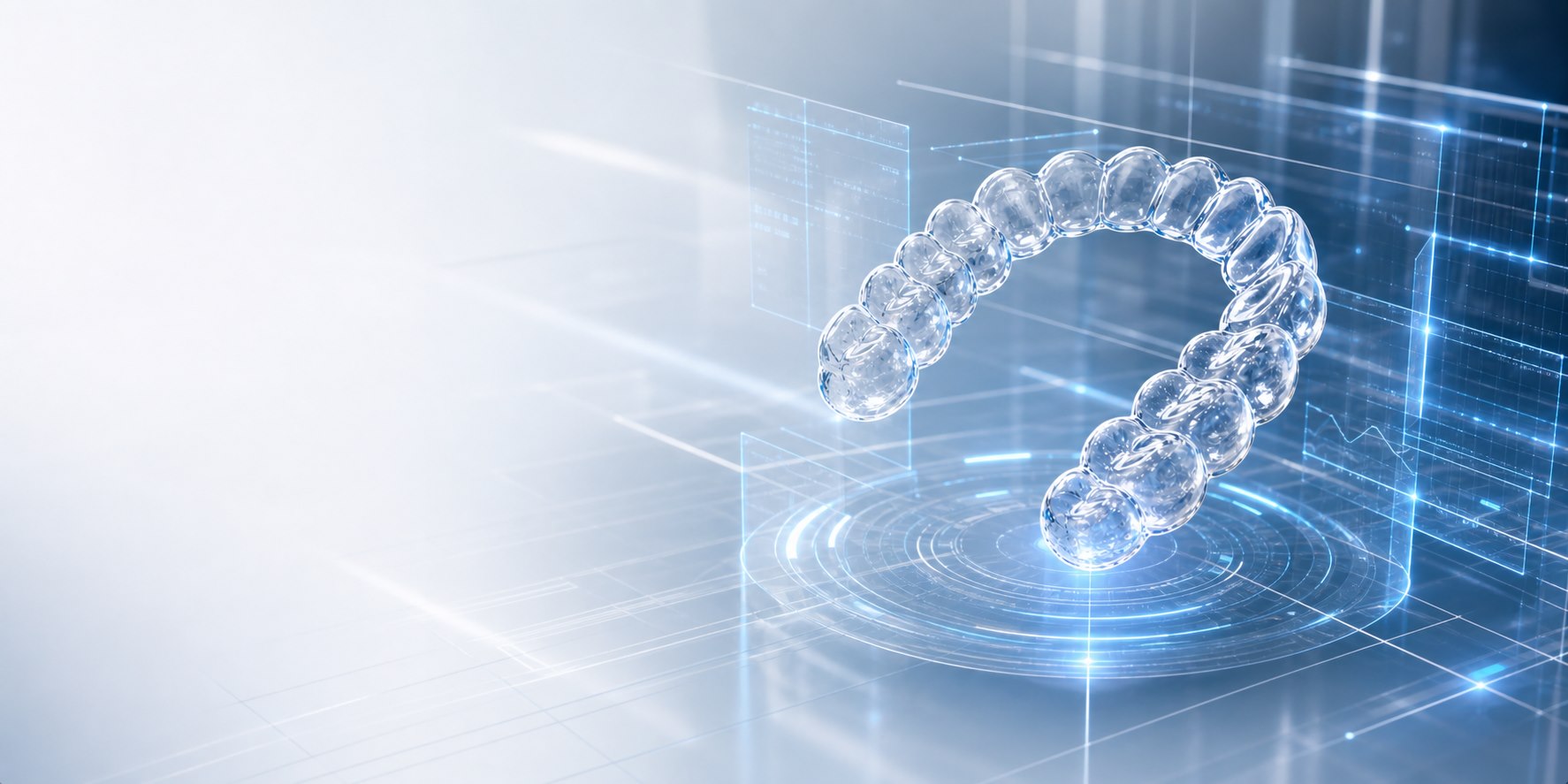
Based on material testing, production control and batch traceability records, the stability of materials is supported by clear and traceable evidence.
The material maintains stable resilience during repeated insertion, removal and wear, delivering consistent orthodontic force in coordination with digital treatment plans.
The toughness layer and structural design reduce the risk of edge damage, improving structural stability during daily wear, insertion and removal.
By integrating material texture, dental arch morphology and fit logic, the appliance maintains better adaptation during key tooth movement stages.
Tailored for daily diet, cleaning and wearing environments, the material delivers enhanced durability and sustained transparent appearance.
Optimized transparency and surface texture reduce visual prominence, making the wearing experience more suitable for daily social scenarios.
Through the synergy of material rigidity, flexibility and digital movement paths, the treatment design team is supported to control staged treatment goals.
From adaptation and elasticity to mechanical stability, the material performance logic is established around dental arch curvature and daily wearing scenarios.

Matches the orthodontic force delivery required for different movement patterns.
A wider elastic range wraps the teeth to deliver gentle orthodontic force.
Maintains form during tooth movement, bringing teeth closer to the target position.
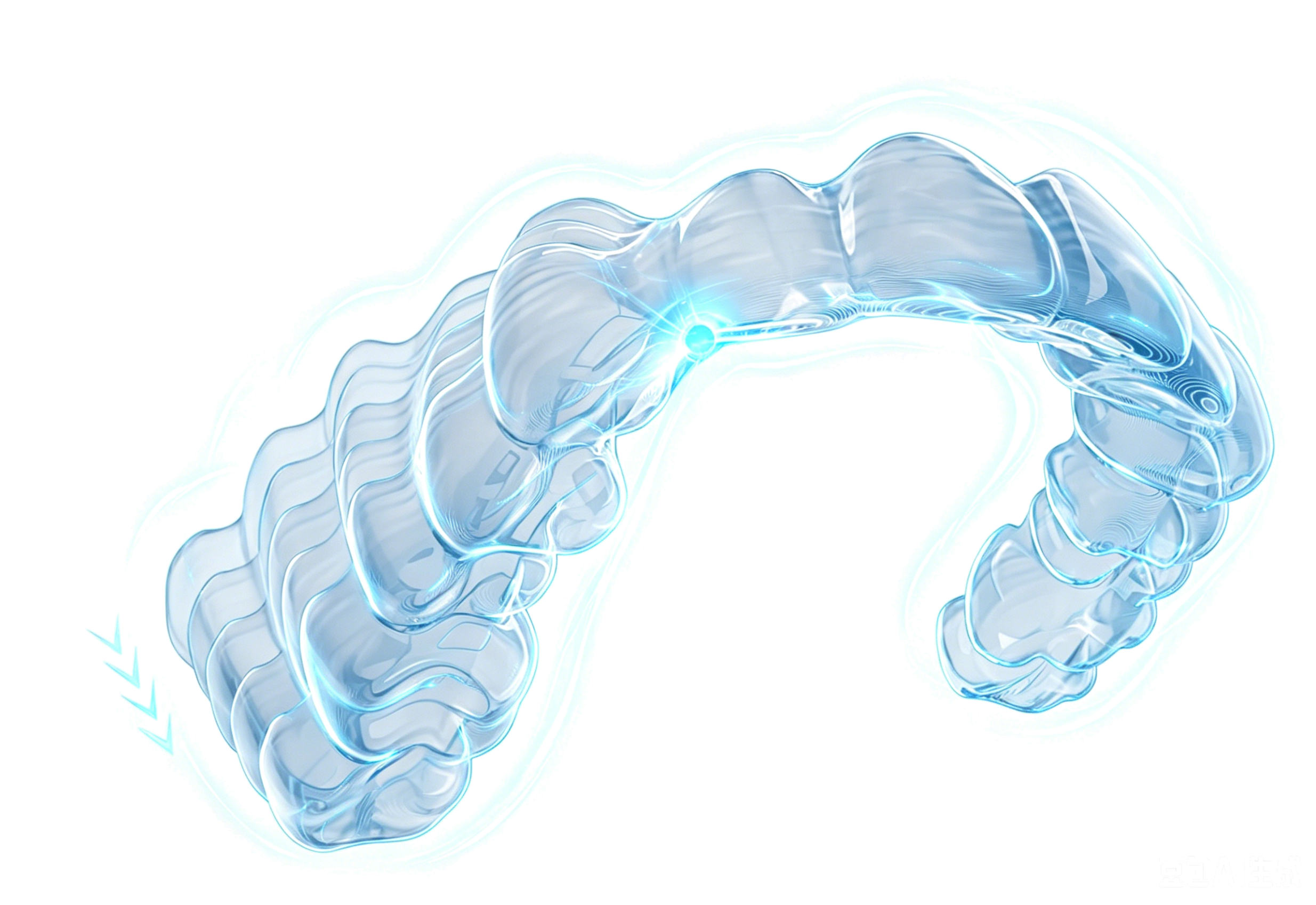
The tough molecular chain structure further improves tear resistance on the basis of the original material, reducing extra follow-up visits and prolonged treatment duration caused by aligner insertion and removal.
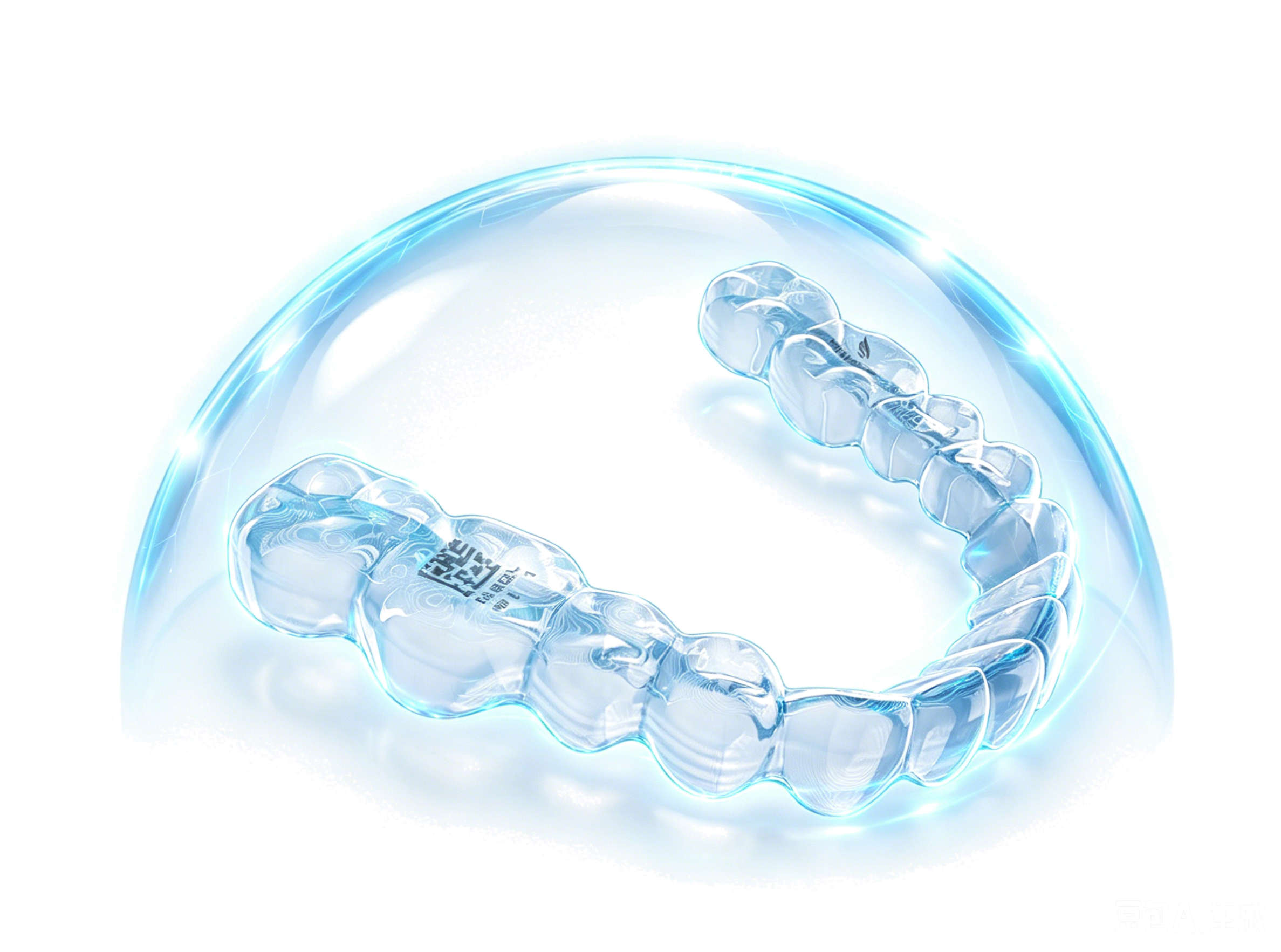
It resists staining in the complex oral environment. Combined with light reflection from the matte granular surface, it greatly enhances light dissipation to maintain reliable invisibility.
Material Logic
Material properties, digital treatment planning, and manufacturing & delivery jointly determine the final performance of aligners. YAGU integrates material testing, structural design, and factory delivery to help partner clinics clearly understand the performance boundaries of the products.