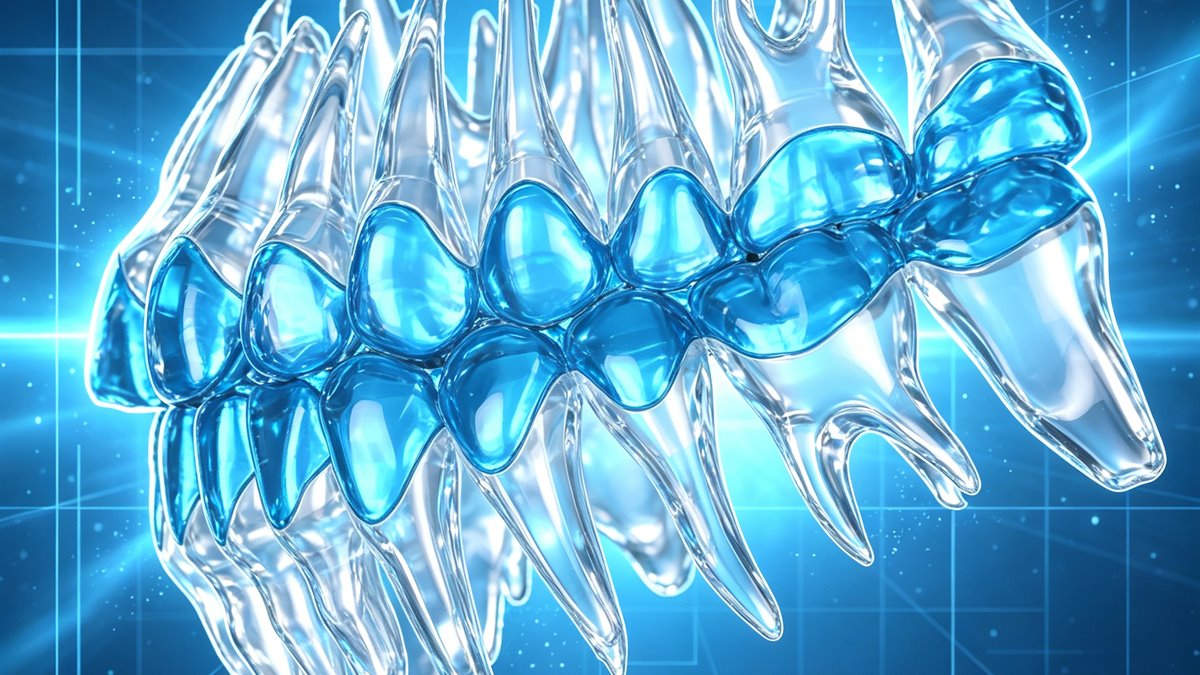
Pixel-level root-bone recognition
Visualize the relationship between dental crowns and tooth roots to reduce judgment bias caused by only observing crown positions.
 Contact Us
Smart RootBone System
Incorporate the relationships among crowns, tooth roots and alveolar bone into treatment planning judgment
Centered on CBCT, intraoral scans, crown morphology and bone tissue boundaries, it assists the treatment planning team in understanding the root-bone structure underlying tooth movement.
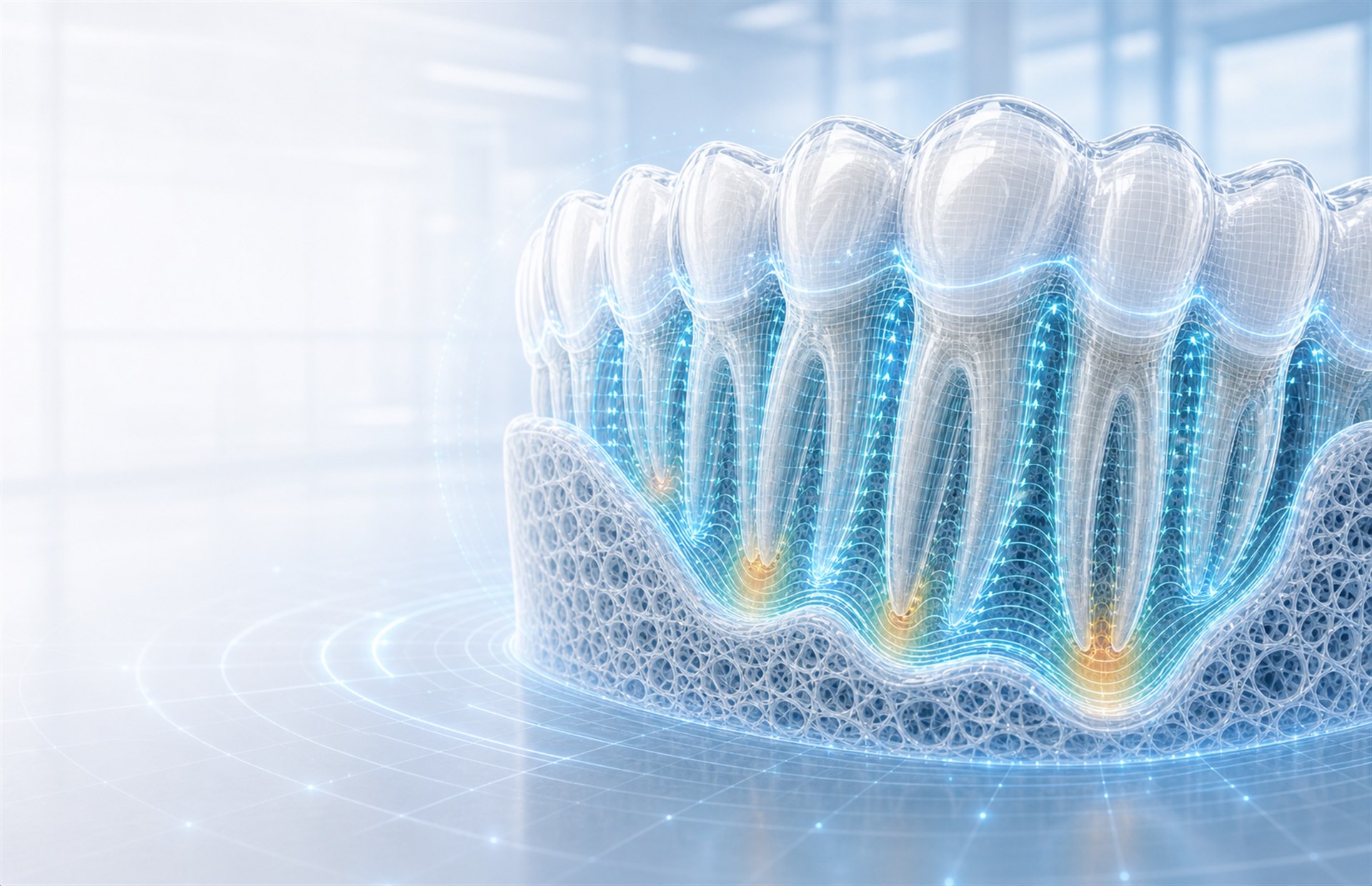
System Overview
The Smart Root-Bone System is the root-bone modeling and assisted analysis module of OrthoMind, which organizes intraoral scan crown data, imaging data and alveolar bone boundaries into interpretable treatment planning references.
The system emphasizes a "visible, analyzable, and reviewable" workflow, enabling the treatment planning team to simultaneously pay attention to root orientation, bone volume boundaries and potential risk points when discussing tooth movement paths.
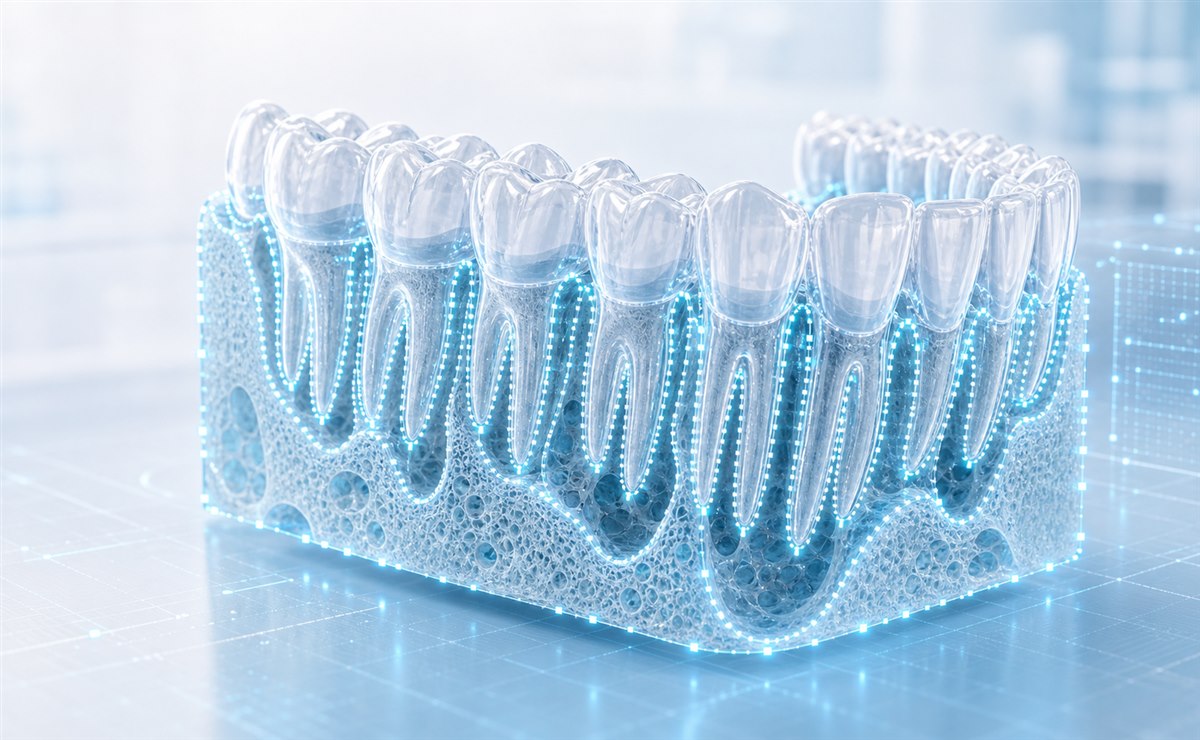
Core Positioning
Instead of simply displaying dental crowns, it integrates intraoral scan, CBCT and alveolar bone information to assist in judging root orientation, movement space and treatment planning boundaries.
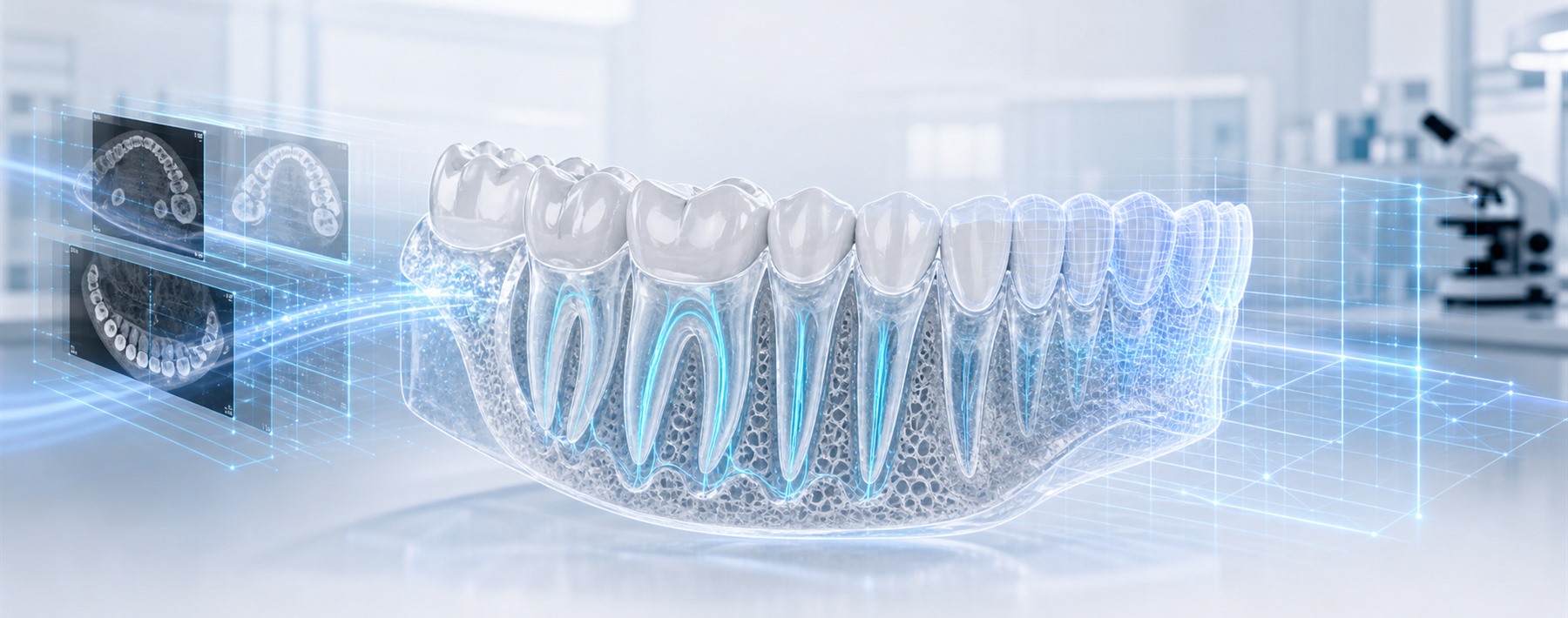
Core Capabilities
Based on the digital representation of crown, tooth root and bone tissue boundaries, it helps treatment planners more intuitively judge tooth movement space.
Visualize the relationship between dental crowns and tooth roots to reduce judgment bias caused by only observing crown positions.
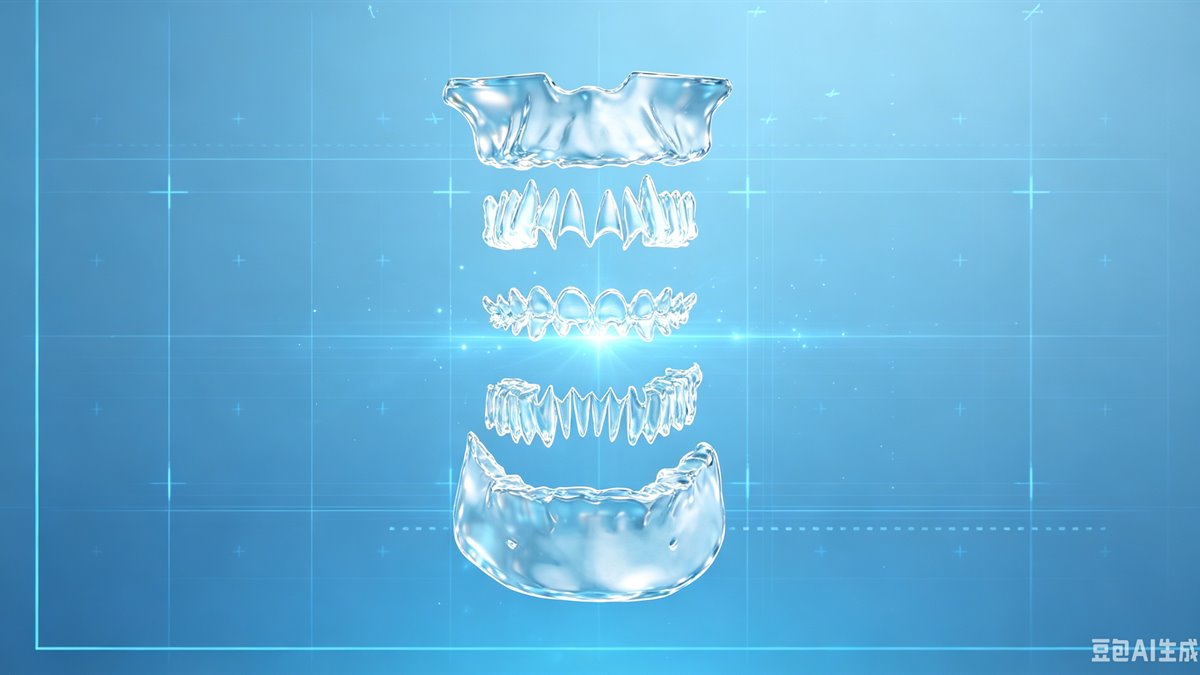
Unify intraoral scan and imaging data into treatment planning representation to form a more complete reference for tooth movement.
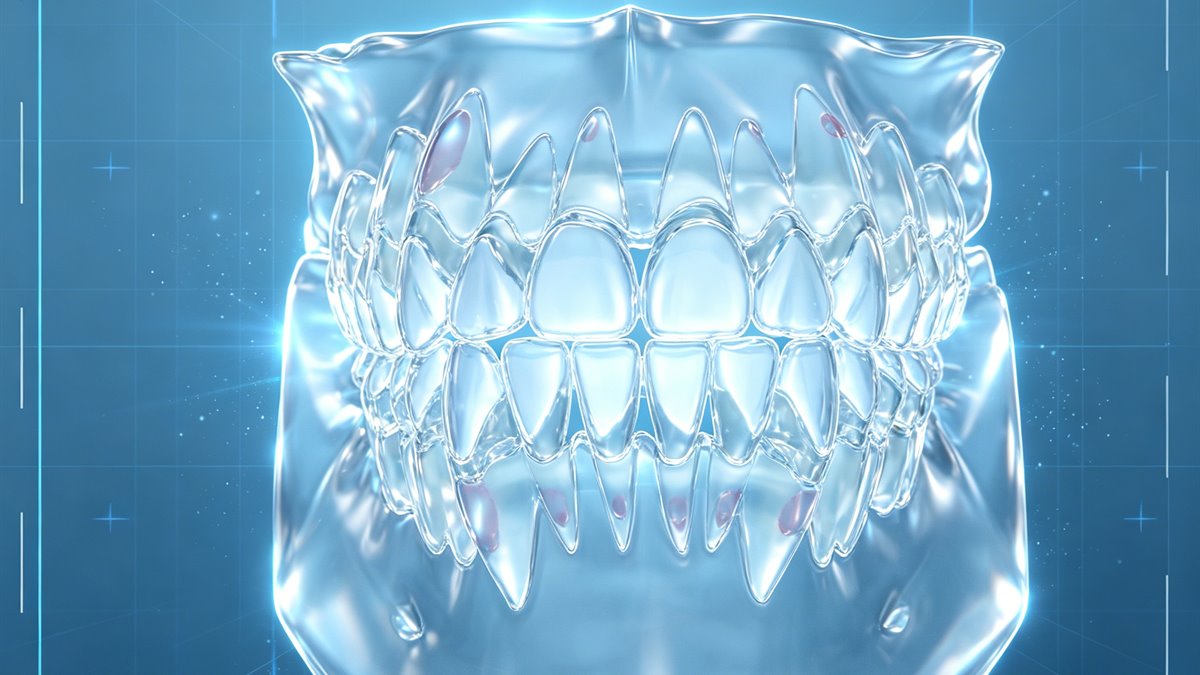
Assist in understanding alveolar bone morphology, bone volume boundaries and root movement space.
Through crown-root fused data, treatment planning communication advances from "observing crowns" to structural judgment of "observing crowns, roots and bone".
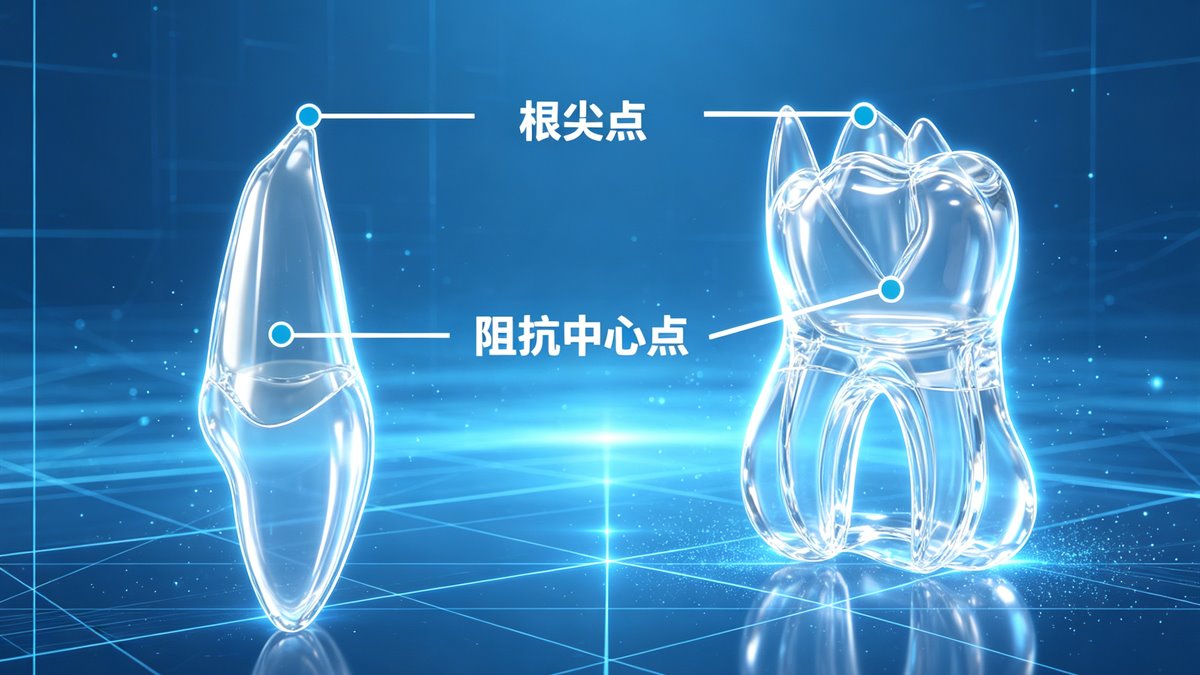
Combined with crowns, root orientation and bone tissue boundaries, it assists in confirming movement targets and risk boundaries.
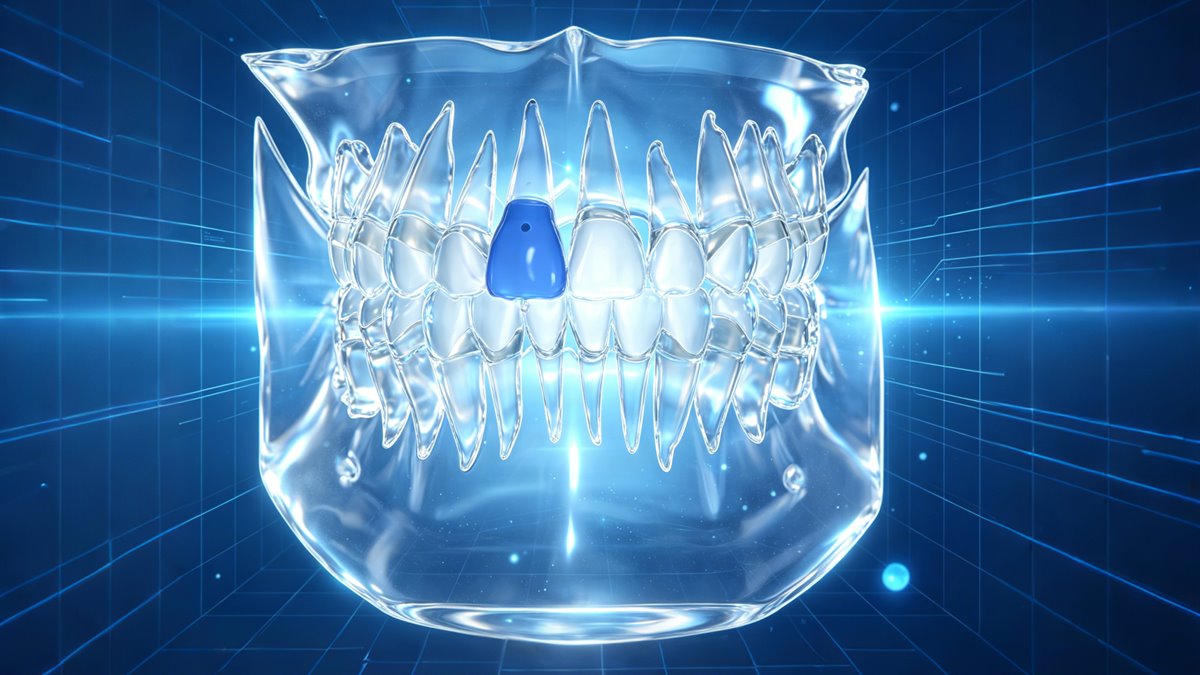
Support clinicians' judgment with a more complete data perspective during treatment planning and follow-up visit communication.
Assists in identifying root direction, movement amplitude and phased control priorities during the treatment plan adjustment stage.
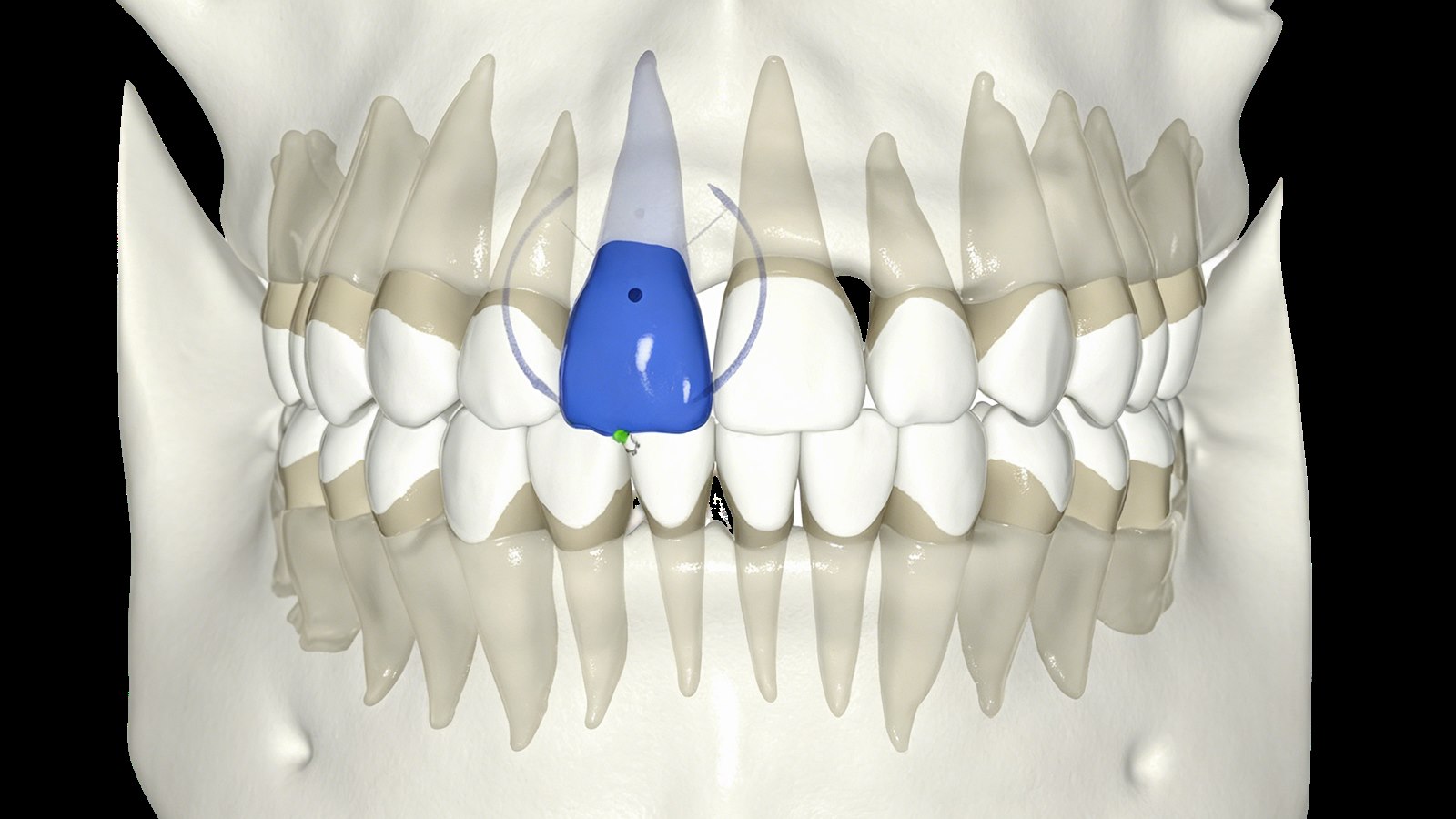
Conducts review around movement paths and phased objectives to provide more evidence-based support for plan adjustments.
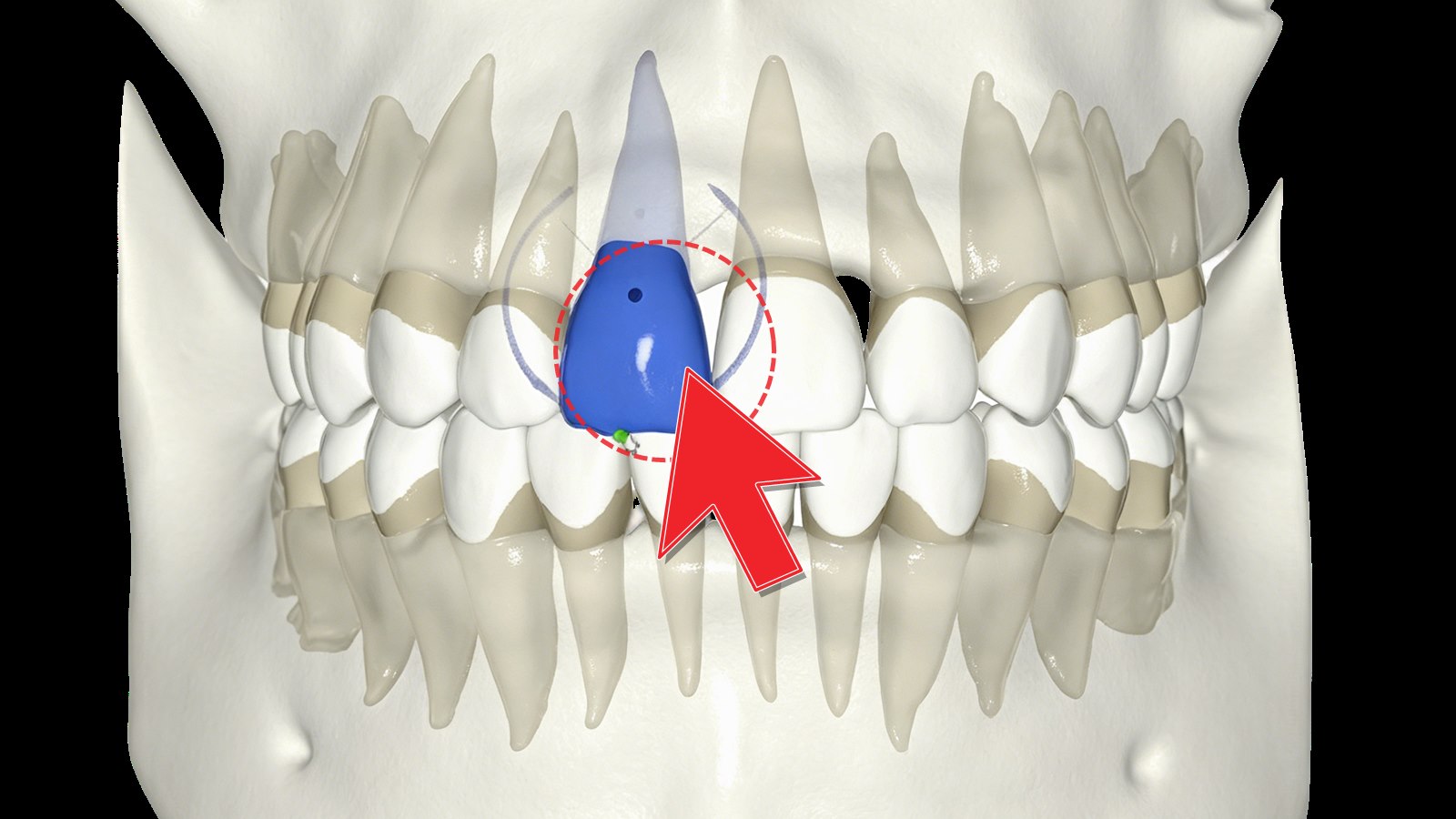
Assists in differentiating movement expressions including tipping, bodily movement, intrusion and extrusion, improving plan communication efficiency.
RootBone Logic
The Intelligent Root-Bone System is used to assist treatment plan design and collaborative communication. Specific diagnosis, treatment plans and efficacy evaluation shall still be subject to the doctor's in-person consultation, imaging examinations and the patient's actual conditions.